What You’ll Take Away:
- Building independence in early childhood starts with small daily responsibilities.
- Children develop independence best with guidance, structure, and space to try.
- After-school hours can shape habits around responsibility, time, and emotions.
- A clear routine helps children stay settled, focused, and purposeful after school.
Introduction
Building independence in early childhood is important because it helps children learn how to manage small responsibilities and take ownership of their daily routines. However, busy parents may find it difficult to reinforce these habits consistently after school. Work schedules, commute times, and evening responsibilities can make the hours after dismissal feel rushed, even though this is when children often need the most guidance to stay organised.
A good after-school programme helps bridge that gap. With clear expectations, consistent guidance, and age-appropriate responsibilities, children can practise independence in a structured setting before heading home.
Why Is Independence Important in Early Childhood?
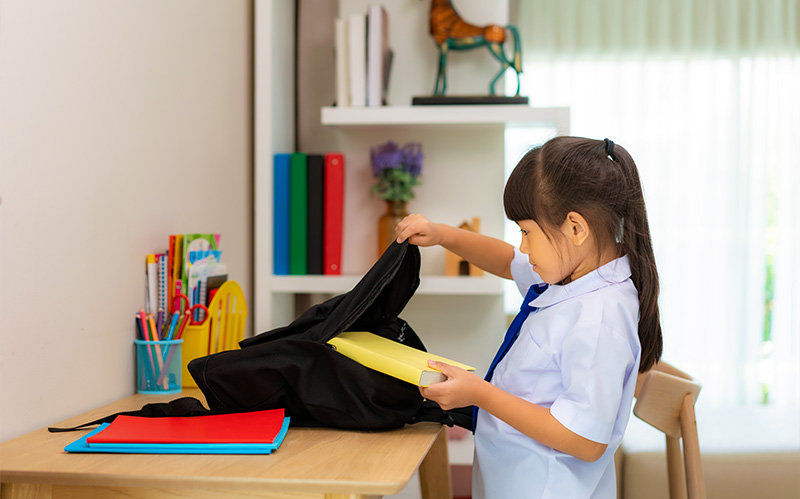
Independence helps children understand that they are capable of contributing to their own day. This may begin with simple actions, such as packing and keeping track of their belongings, or preparing materials for the next activity.
These moments may seem small to adults, but they matter to children. When a child completes a simple task on their own, it gives them a sense of achievement. Over time, these repeated wins help them feel more confident and capable.
This is especially important as children move through primary school. During this period, academic and social demands gradually increase. Children may need to manage more homework, remember instructions from different teachers, and cope with changing expectations. A child who has practised independence in everyday routines is often better prepared to handle these demands with less anxiety.
Independence does not mean that children are left to figure everything out on their own. In fact, young children often build independence best when adults stay close enough to guide, but not so close that every task is done for them.
The goal is to give children enough support to feel secure, while allowing them enough space to try.
What Busy Parents Often Worry About After School
After-school time is a critical window for building habits. Children are no longer in formal classroom lessons, but they are not yet home for the evening. What happens during this period can shape how they manage responsibilities, time and emotions.
For many working parents, these hours can bring a quiet kind of stress. You may wonder whether your child has settled into a routine, started homework, and used the afternoon meaningfully.
These concerns are understandable. Without a clear routine, the time between school dismissal and home can lose structure quickly. Children may feel restless, delay important tasks, or struggle to know what to do next without steady guidance.
Boosting the Sense of Responsibility
Responsibility grows when children understand what is expected of them and have regular chances to follow through. In a structured after-school setting, routines are not just used to organise the afternoon. They also help children practise completing small tasks with care and consistency.
With consistent routines and adult guidance, children learn that each part of the day comes with simple responsibilities. They may need to keep their belongings in order, place completed homework where it belongs, tidy up after an activity, or prepare for the next part of the programme.
These tasks are manageable, but they help children become more aware of their role in the routine. Instead of seeing responsibility as something big or difficult, they begin to understand it through repeated everyday actions.
How After-School Care Helps Independence Development
Structured after-school care helps children practise independence in a setting that is still guided and supportive. Instead of relying on adults to direct every step, children are gradually encouraged to settle into routines, begin homework, organise their belongings, and take part in enrichment with greater confidence.
Clear schedules play an important role in this process. When children know when to rest, when to focus, and when to move on to the next activity, they begin to understand what is expected of them. Over time, this predictability helps them internalise routines and become less dependent on constant reminders.
The right after-school care environment also makes the transition from school to home smoother. By the time you pick your child up, they have had a structured afternoon that encourages responsibility, self-management, and small moments of independence before returning home.
Supporting Emotional Regulation After School
Building independence in early childhood is not only about practical tasks. It is also about learning how to manage emotions and behaviour. After a long school day, children may need time to decompress. They may feel tired, frustrated, overstimulated, or disappointed by something that happened earlier.
In a structured after-school environment, children have a space to settle while maintaining positive routines. With guided support, children learn to recognise how they feel and respond in healthier ways. They may learn to pause before reacting or try again after making a mistake. These moments help children build self-management skills that are closely linked to independence.
When children can manage frustration, they are more likely to complete tasks without giving up immediately. A child who has spent after-school time purposefully may come home more ready to reconnect, rest, and prepare for the next day.
Building Everyday Independence At Home
You can also support independence in early childhood through small routines at home. The key is to begin with manageable steps instead of changing the entire routine at once.
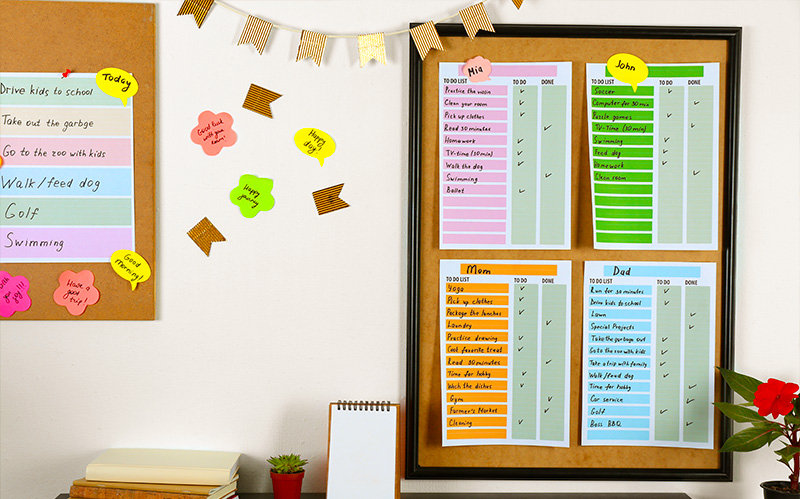
One helpful approach is to create a simple visual chart for your child’s night-time routine. This may include showering, dinner, packing the school bag, checking homework, brushing teeth and getting ready for bed. A visual chart helps children see what needs to happen without relying only on verbal reminders.
Consider guiding or showing how a task is done before expecting the child to do it independently. For example, if you want your child to pack their school bag, first show them how to check the timetable, identify the correct books, and place completed work into the right folder. Once they understand the process, they can gradually take over more of the task.
Providing choices can also help. Instead of asking an open-ended question like “When are you going to pack your bag?”, try offering two acceptable options: “Do you want to pack your bag now or after dinner?” This gives your child some control while still keeping the routine on track.
It is also important to acknowledge effort. A simple “I noticed you packed your bag before I reminded you” can help children feel seen. Praise does not need to be excessive. It just needs to show that their effort and progress matter.
If your child struggles, start small. Instead of overhauling the entire night-time routine, focus on one habit first. This may be placing their shoes by the door or packing their water bottle. Once that habit becomes easier, you can build from there.
Supporting Small Steps Towards Independence With Curos
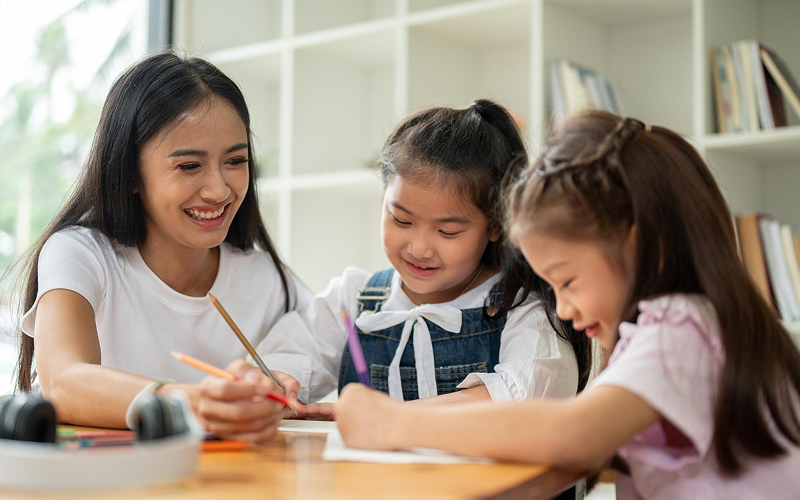
Curos supports children by providing the structure, space, and encouragement they need to build independence after school. Through clear routines, guided homework time, meaningful enrichment, and caring teacher support, children are guided to take ownership of small responsibilities in a way that feels manageable.
At Curos, independence is built through everyday routines, steady encouragement, and rewarding learning experiences that help children grow more confident after school. Instead of moving through the hours without direction, children are guided through routines that help them settle in and prepare for pick-up with greater confidence.
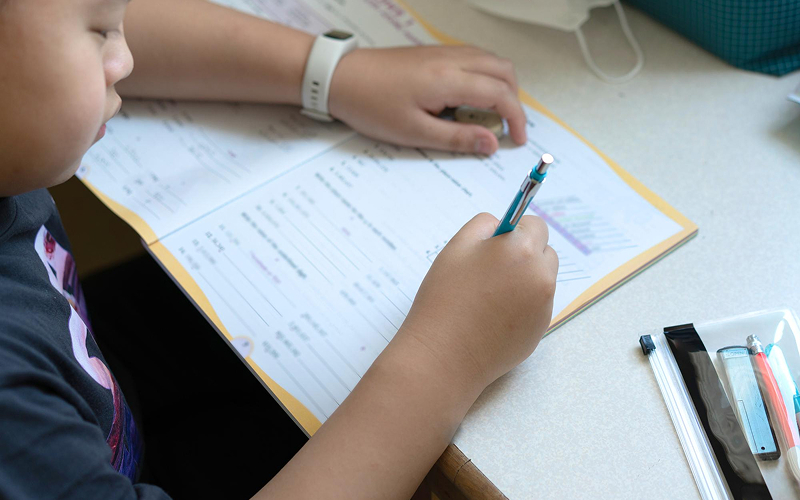
Guided homework time at Curos is not just about getting work completed. Our teachers help children understand what needs to be done, stay focused on the task, and ask for support when they are unsure. This helps children build the habit of starting work with less prompting and taking more ownership of their learning responsibilities.
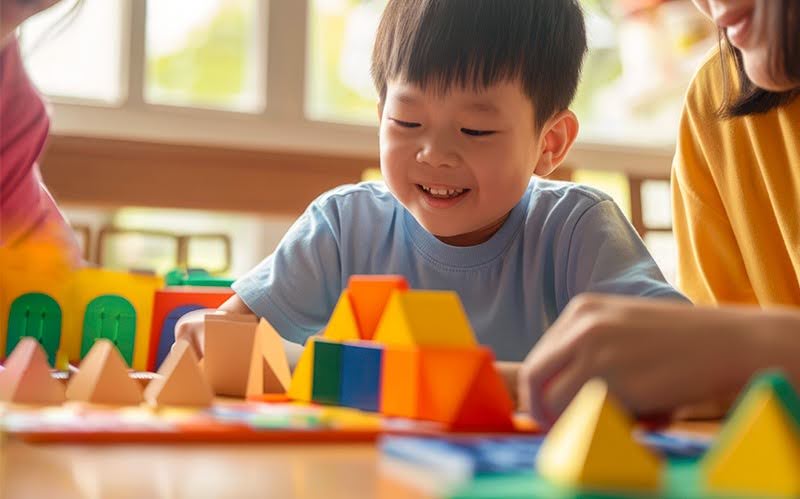
Meaningful enrichment also gives children chances to practise independence beyond homework. Through activities such as coding, robotics, hands-on projects, and practical life skills discussions, children learn to follow instructions, make decisions, solve problems, and complete tasks step by step.
For busy parents, this means your child’s after-school hours are not left unstructured while you are at work. At our student care centre, they are spent in a safe, purposeful, and supportive environment where independence is practised through everyday moments.
Book a centre tour at Curos to see how our after-school routines can support your child’s confidence, responsibility, and growing independence.